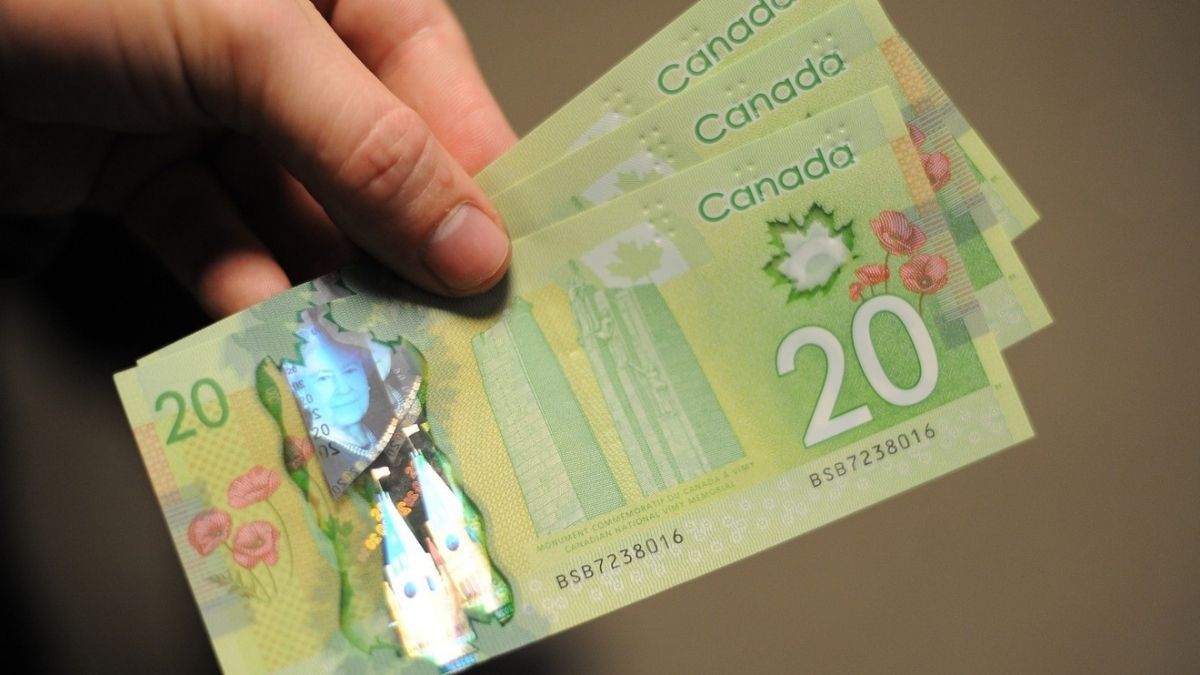
The Canada Revenue Agency (CRA) has officially confirmed that a federal GST/HST credit payment will be issued on January 5, 2026, bringing timely financial relief to millions of Canadians, including a large number of seniors on fixed incomes.
Arriving just after the holiday season, this quarterly payment is designed to offset sales taxes paid on everyday essentials such as groceries, utilities, and medications. For many eligible seniors, the January instalment can reach around $300, depending on income, marital status, and available supplements.
Why this January payment matters more than ever
With living costs still elevated and winter expenses rising, the January 2026 GST/HST credit comes at a critical moment. Heating bills, food prices, and healthcare costs tend to spike in winter, and seniors often feel this pressure most because their income is usually fixed and predictable.

This payment is non‑taxable, meaning recipients keep the full amount. For seniors relying mainly on Old Age Security (OAS), Canada Pension Plan (CPP), or Guaranteed Income Supplement (GIS), this tax‑free boost can help stretch monthly budgets without triggering benefit clawbacks.
What is the GST/HST credit and how does it help seniors?
The GST/HST credit is one of Canada’s core federal support programs for low‑ and modest‑income households. It reimburses part of the Goods and Services Tax (GST) or Harmonized Sales Tax (HST) that Canadians pay on everyday purchases.
For seniors, the credit is especially important because:

- It recognizes age‑related income limits,
- It supports those with little or no private income, and
- It works automatically, without requiring new applications each year.
The CRA calculates eligibility and payment amounts using information from a person’s tax return, making the process simple for retirees.
How much can seniors receive in January 2026?
For the July 2025 to June 2026 benefit year, the maximum annual GST/HST credit is:
- $533 for a single individual,
- $698 for a couple,
These totals are split into four quarterly payments, normally issued in July, October, January, and April.

That means the base January 5 payment is usually:
- About $133 for a single senior, or
- About $174 for a senior couple.
However, supplements, provincial add‑ons, and income adjustments can raise the January payment closer to $300 for some seniors.
Why some seniors receive closer to $300
Not every senior will receive the same amount. Payments increase when:

- Income is well below the phase‑out threshold,
- The senior qualifies for additional supplements, or
- Provincial programs are delivered alongside federal credits.
In many cases, viral reports of “$300 payments” reflect combined credits issued at the same time or higher‑end GST/HST entitlements due to very low net income.
How CRA calculates the January 2026 payment
The CRA bases the January 5, 2026 payment on adjusted family net income from the 2024 tax return. This data determines:
- Whether a senior qualifies, and
- How much of the credit they receive.
The formula includes:
यह भी पढ़े:
 Minimum Wage in the Philippines 2026 – Regional Rates, Rules, and the Real Impact on Workers
- A phase‑in, which increases the credit at low income levels, and
- A phase‑out, which gradually reduces the credit as income rises.
For example, a single senior earning around $25,000 from OAS and CPP may qualify for the full $533 annual credit, resulting in a $133 January payment. Seniors with even lower income—or with additional qualifying factors—may receive significantly more.
Income thresholds seniors should know
While thresholds are adjusted annually for inflation, eligibility typically applies if adjusted net income is below roughly:
- $54,700 for single seniors, and
- $65,000 combined for couples.
Above these levels, the credit begins to phase out. Importantly, receiving OAS, CPP, or GIS does not disqualify a senior. In fact, many seniors qualify because these pensions keep incomes modest.
यह भी पढ़े:
 UK Temporary Work Visa 2026 — Categories, Eligibility, Duration, and Hidden Rules You Must Know
Eligibility rules for the January 5, 2026 payment
Eligibility for the January GST/HST credit is straightforward:
- You must be 19 or older,
- You must be a Canadian resident for tax purposes, and
- You must have filed your 2024 tax return.
Seniors who turned 65 recently, newcomers, or those who filed late can still qualify, but late returns may delay payments. Retroactive adjustments are possible once the CRA processes the return.
How marital status affects senior payments
Marital status plays a major role:
यह भी पढ़े:
 Canada’s Retirement Age Is Quietly Changing — How Delaying CPP and OAS Can Raise Payments to $1,700
- Single seniors receive an individual credit,
- Married or common‑law couples receive a higher combined amount, shared between partners.
If one spouse has higher income, the household credit may be reduced, but moderate pension income rarely eliminates eligibility entirely.
Does province of residence matter?
Provincial residence affects only the HST portion, not federal eligibility. Seniors across Canada—from British Columbia to Newfoundland—can qualify under the same federal rules.
Exceptions are rare and include:
यह भी पढ़े:
 Canada’s GST/HST Credit Gets a 2026 Update — Revised Dates, Higher Amounts and Eligibility Explained
- Individuals incarcerated for more than 90 days, or
- Those claiming certain foreign tax credits.
For most seniors, access remains broad and inclusive.
January 2026 GST/HST payment schedule explained
The CRA follows a fixed quarterly schedule, and January 5, 2026, is the first payment of the new calendar year.
Payments are delivered:
यह भी पढ़े:
 Families Receive Up to $619 Per Child in January 2026, Everything About the New Canada Child Benefit
- By direct deposit, usually within one business day, or
- By cheque, which may arrive slightly later by mail.
Direct deposit is strongly recommended to avoid delays.
Payment amounts table for seniors (illustrative)
| Recipient Type | Annual Maximum (2025–2026) | Typical January Payment | Approx. Income Limit |
|---|---|---|---|
| Single senior | $533 | ~$133 (up to ~$300 with supplements) | <$54,700 |
| Senior couple | $698 | ~$174.50 | <$65,000 combined |
| Single senior with child | $717 | ~$179 | <$55,000 |
| Couple with supplements | Up to $1,066 | ~$266.50 | Varies |
These figures reflect recent inflation adjustments and may rise again in mid‑2026.
How this payment fits with OAS, CPP, and GIS
The January GST/HST credit works alongside other major senior benefits:
यह भी पढ़े:
 CPP Payment of $1,533 Confirmed for January 2026 – Full Eligibility, Timing, and Retirement Impact
- OAS (paid late January),
- CPP (paid late January), and
- GIS (paid with OAS for low‑income seniors).
For some seniors, these combined payments can mean over $2,000 in total January income, with the GST/HST portion remaining completely tax‑free.
Provincial programs that can boost total support
Many provinces layer extra benefits on top of federal payments:
- Alberta Seniors Benefit (up to $3,946 annually),
- Ontario GAINS (up to $90 per month),
- British Columbia senior supplements, and
- Other regional supports.
When these align with the January GST/HST credit, seniors may see a significant early‑year financial boost.

How seniors can make sure they receive the payment
To secure the January 5, 2026 payment, seniors should:
- Ensure their 2024 tax return is filed,
- Keep direct deposit details updated in CRA My Account, and
- Report changes in address, marital status, or income promptly.
Those near income thresholds may benefit from claiming eligible deductions, such as medical expenses, to preserve higher credit amounts.
What to do if a payment is missing or lower than expected
If a payment does not arrive:
यह भी पढ़े:
 First Canada Child Benefit Payment of 2026 Is Coming – What Canadian Families Need to Know
- Check CRA My Account for notices,
- Confirm tax filing status, and
- Contact CRA if information appears incorrect.
Most issues are resolved once missing details are updated.
Broader impact on senior financial security
Programs like the GST/HST credit play a key role as Canada’s senior population continues to grow. With more than 20% of Canadians now over 65, automatic, non‑taxable supports help reduce poverty risk and stabilize household spending.
By returning sales taxes directly to seniors, the program offsets regressive costs and strengthens financial resilience during periods of inflation.

Looking ahead to 2026 and beyond
Indexation ensures the GST/HST credit remains relevant. With inflation projected around 2–3%, modest increases are expected in future benefit years. Combined with OAS and CPP indexing, seniors can expect gradual but steady adjustments to keep pace with rising costs.
Where the original source text begins (for copy‑paste reference)
**“The Canada Revenue Agency (CRA) has confirmed a key federal support payment for eligible Canadians, including many seniors, arriving on January 5, 2026.
This quarterly GST/HST credit instalment, often reaching around $300 for single recipients depending on income and circumstances, forms part of broader efforts to offset sales taxes on essential goods and services.

As living costs remain elevated, this payment provides timely relief right after the holiday season, helping seniors manage household expenses amid inflation pressures.”**